
Let’s Put the Stop to a Future Dialysis Diagnosis
Let’s put a stop to a Future Dialysis Diagnosis.
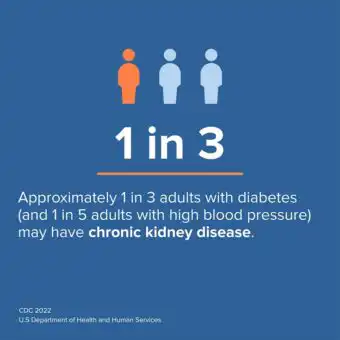
If you have diabetes and CKD, you’re definitely not alone – about 1 in 3 American adults with diabetes also has CKD.
Over time, high blood sugar from diabetes can damage blood vessels in the kidneys as well as nephrons, so they don’t work as well as they should. Many people with diabetes also develop high blood pressure, which can damage kidneys too.
Empower Yourself to Keep Your Kidneys Healthy
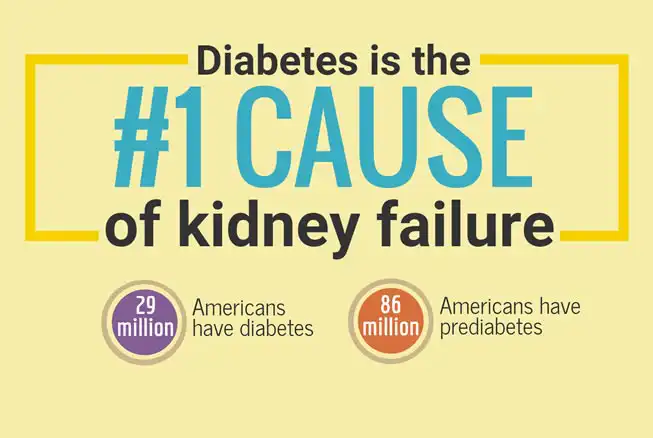
Partner with the medical professionals of Insulinic of Florida to prevent the #1 cause of kidney disease, which is diabetes.
Understanding this connection is the first step to helping avoid kidney problems. Insulinic of Florida can help you improve your
lifestyle to manage your health.
Q: Can lowering blood sugar improve kidney function?
A: Controlling blood sugar helps lessen your risk of getting kidney disease. It can also help slow or even stop kidney disease
from getting worse
Diabetes and Your Kidneys
You have two kidneys —each is about the size of a fist. Kidneys clean waste from your blood. Over time, having high blood sugar from diabetes can cause damage to your kidneys. As a result, they filter out some good things along with waste. As more damage happens, kidneys will have less function, and waste will build up. This is known as chronic kidney disease (CKD). Diabetes is the leading cause of chronic kidney disease
3 Warning Signs That You May Be Experiencing Kidney Failure
- Dizziness and Fatigue – One of the first possible signs of weakening kidneys is the experience of overall weakness in yourself and your overall health.
- Swelling (Edema)
- Changes in urination.
Insulinic of Florida can measure kidney function and explain the five stages of kidney disease. Your GFR measures kidney health. It’s used by kidney doctors to understand what stage of CKD you may have. Learn more about GFR and the five stages of kidney disease and find healthy actions that may prevent CKD.
Contact us today to learn more about kidney disease and how to prevent it!
 English
  Español