
Diabetes and Slow-healing Wounds: A Risk Too Big to Ignore
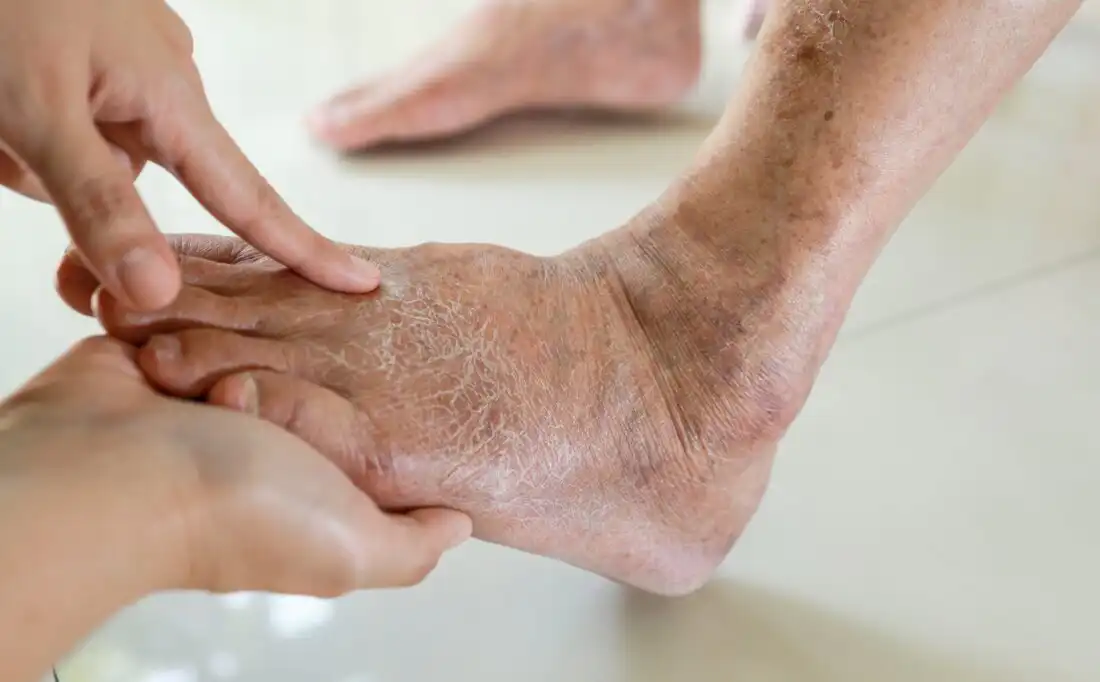
The Vulnerability of Diabetic Skin
For individuals with diabetes, skin health is of paramount concern. High blood sugar levels can sap the skin’s natural moisture, leading to dryness and a heightened risk of cracks and tears [1]. Impaired circulation, a common accompaniment of diabetes, deprives the skin of essential nutrients, weakening it further. Alongside the skin’s vulnerability, unstable blood pressure – another frequent complication of diabetes – can further affect skin health and cause slow healing wounds. The interplay of these factors makes regular skin health monitoring crucial for diabetic individuals.
The Peril of Slow-Healing Wounds
To most, a minor injury may seem inconsequential, but for diabetics, it poses a significant threat. Delayed wound healing can be a precursor to grave infections that penetrate deeper layers, even reaching bones and muscles [2]. Especially concerning are diabetic foot ulcers, which, due to their location, can often go unnoticed until they become severe. Diabetic foot ulcers are a leading cause of amputations among diabetic patients. This potential trajectory from a minor wound to drastic outcomes like amputation highlights the need for keen awareness and prompt intervention.
The Connection between Blood Sugar Levels, Blood Pressure, and Wound Healing
Elevated blood sugar levels, in tandem with irregular blood pressure, can severely hamper the body’s natural healing processes [3]. High glucose concentrations in the bloodstream can weaken the immune system, making it harder to fight off infections. Furthermore, poor circulation and reduced blood flow, resulting from fluctuating blood pressure, can hinder the delivery of vital nutrients to wound sites. This combination of immune suppression and circulatory inefficiencies slows wound healing, amplifying the risk of complications.
How Insulin Resistance Reversal Therapy Enhances Healing
At Insulinic of Florida, our trailblazing approach targets diabetes at its very core. Insulin Resistance Reversal Therapy stabilizes blood sugar levels and improves overall metabolic health [4]. This holistic regulation of the body’s internal environment assists in blood glucose management and promotes better circulation and blood flow. Enhanced circulation ensures wounds receive the nutrients and oxygen they need, drastically improving the body’s healing capacity.
Preventative Care, Risk Factors, and Timely Interventions
Adopting a proactive stance is essential in diabetes management. Recognizing risk factors – such as poor circulation, unstable blood glucose levels, and high blood pressure – is vital. Regular check-ups, particularly for vulnerable areas like the feet, can make a world of difference. Keeping the skin clean, moisturized, and shielded from excessive friction or pressure is equally crucial. In instances where wounds do occur, immediate medical attention becomes essential. The sophisticated treatments and individualized care protocols at Insulinic of Florida ensure patients receive optimal care, minimizing the risk of severe complications.
The intricate relationship between diabetes and slow-healing wounds cannot be ignored. Individuals can significantly reduce their risks by understanding, vigilance, and leveraging state-of-the-art treatments like those offered by Insulinic of Florida. Contact us to schedule a complimentary consultation with a diabetic specialist. Call 833-940-6240
References
- American Diabetes Association. (2019). Skin Complications. Diabetes Care.
- Frykberg RG, Banks J. (2015). Challenges in the Treatment of Chronic Wounds. Advances in Wound Care.
- Peppa M, Uribarri J, Vlassara H. (2003). Glucose, Advanced Glycation End Products, and Diabetes Complications: What Is New and What Works. Clinical Diabetes.
- Brownlee M. (2005). The pathobiology of diabetic complications: a unifying mechanism. Diabetes.
 English
  Español